
Lyme Disease Support Network:
Awareness, Prevention & Care
Learn about the symptoms, treatments, and ways to protect yourself and loved ones.
Follow us on social media to connect with specialists and stay informed.
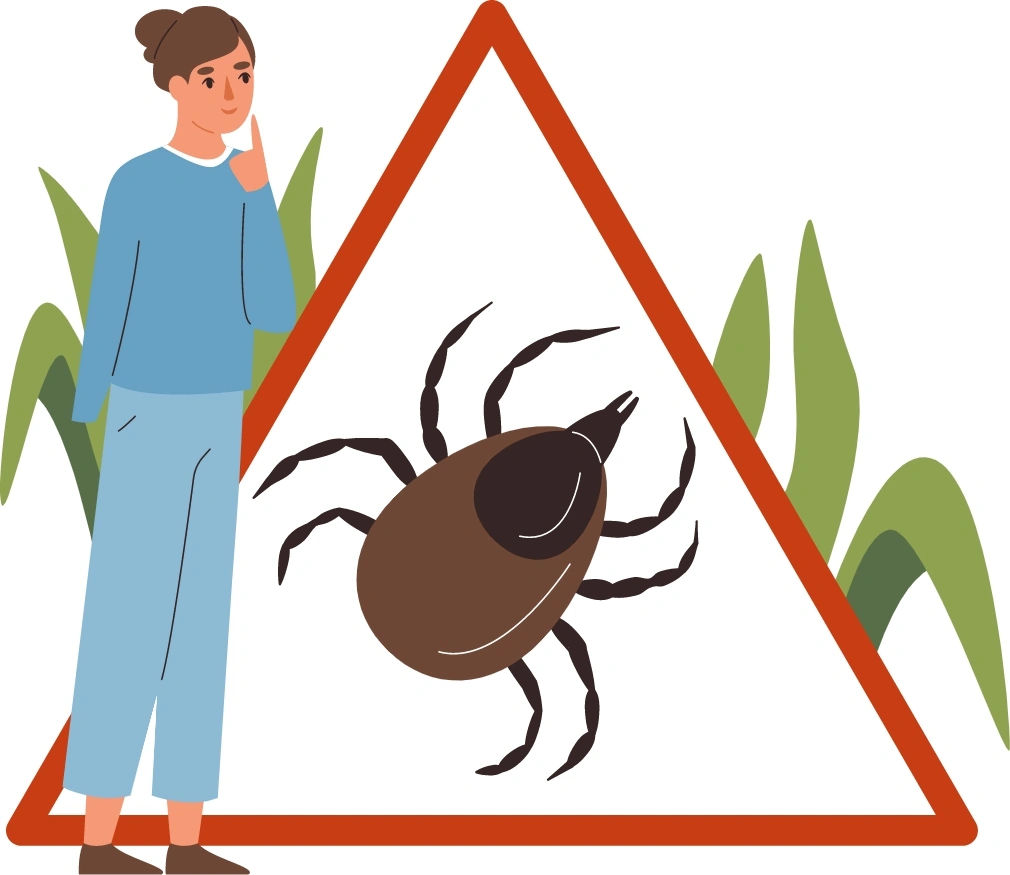
Lyme disease is a bacterial infection spread to people through the bite of black-legged ticks. Typical symptoms include fever, headache, fatigue, and a characteristic skin rash called erythema migrans. If left untreated, infection can spread to joints, the heart, and the nervous system.
Stay informed with the latest articles and expert insights on Lyme disease








Frequently Asked Questions About Lyme Disease
Find answers to the most common questions about Lyme Disease.
Lyme disease is a bacterial infection caused by bacteria known as Borrelia burgdorferi. It stands as the most common vectorborne disease in the United States. The bacteria are primarily transmitted to humans through the bite of infected black-legged ticks.
When an infected tick bites, it can transfer bacteria under the skin, leading to infection.
- Early localized: This stage occurs 1 - 28 days after the tick bite.
- Early disseminated: This stage may develop 3 - 12 weeks after the tick bite.
- Late disseminated: This is the most advanced stage of Lyme disease. It may take months or years to develop.
The symptoms of Lyme disease can vary, particularly in the early stages. One of the hallmark signs is erythema migrans, a distinctive red, expanding rash that often features a central clearing, giving it a bullseye-like appearance.
Beyond the rash, early symptoms of Lyme disease can include a range of flu-like manifestations such as fever, fatigue, headache, and muscle and joint pain.
Diagnosing Lyme disease can be challenging as the initial symptoms can be non-specific and mimic other illnesses.
Currently, available diagnostic tests primarily detect antibodies that the body produces in response to the Lyme bacteria, Borrelia burgdorferi.
Diagnosis often relies on a combination of factors, including the patient's symptoms, a history of possible tick exposure, and the results of laboratory tests.
Lyme disease is a tickborne illness caused by bacteria belonging to the Borrelia burgdorferi sensu lato complex. These bacteria are primarily transmitted to humans through the bite of infected black-legged ticks.
The ticks acquire the bacteria by feeding on infected small mammals, such as the white-footed mouse, during their larval and nymphal stages.
Preventing Lyme disease grounds on avoiding tick bites and promptly removing any attached ticks.
- Use effective tick repellent containing DEET, picaridin, or other EPA-approved ingredients.
- Wear appropriate clothing like long pants tucked into socks and long-sleeved shirts.
- After returning home, conduct a thorough check for ticks.
- Regularly inspect your pets for ticks as they can carry them into your home.
People get Lyme disease through the bite of infected black-legged ticks. In the United States, the bacteria responsible are primarily Borrelia burgdorferi and, less commonly, Borrelia mayonii.
Typically, the tick needs to be attached for more than 24 hours to transmit the Lyme disease bacteria. Most people are infected through the bites of immature ticks called nymphs.
Yes, most cases of Lyme disease can be cured with antibiotics. People treated with appropriate antibiotics in the early stages of Lyme disease usually recover rapidly and completely.
The antibiotics most commonly used for treatment include doxycycline, amoxicillin, or cefuroxime axetil.
If left untreated, Lyme disease can lead to a wide range of more serious health problems as the infection spreads to other parts of the body.
One of the common problems is arthritis, particularly affecting the knees and other large joints. The infection can also affect the nervous system, leading to issues such as severe headaches and facial palsy.
No, Lyme disease is not contagious. It cannot be spread from person to person. The bacteria that cause Lyme disease are transmitted to humans through the bite of infected black-legged ticks.
Yes, Lyme disease can come back after treatment if you are bitten by another infected tick. While most people recover completely after antibiotic treatment, it's possible to get the disease again if you are exposed to the bacteria through a subsequent tick bite.
Most people who are diagnosed and treated for Lyme disease in the early stages recover fully and can return to their normal activities. Early treatment with antibiotics is usually very effective.
However, some individuals may experience lingering symptoms after treatment, such as fatigue, pain, or cognitive difficulties.
Currently, there is no Lyme disease vaccine available for humans in the United States. However, several promising vaccine candidates are in various stages of development, including VLA15 by Pfizer and Valneva which is in Phase 3 clinical trials.